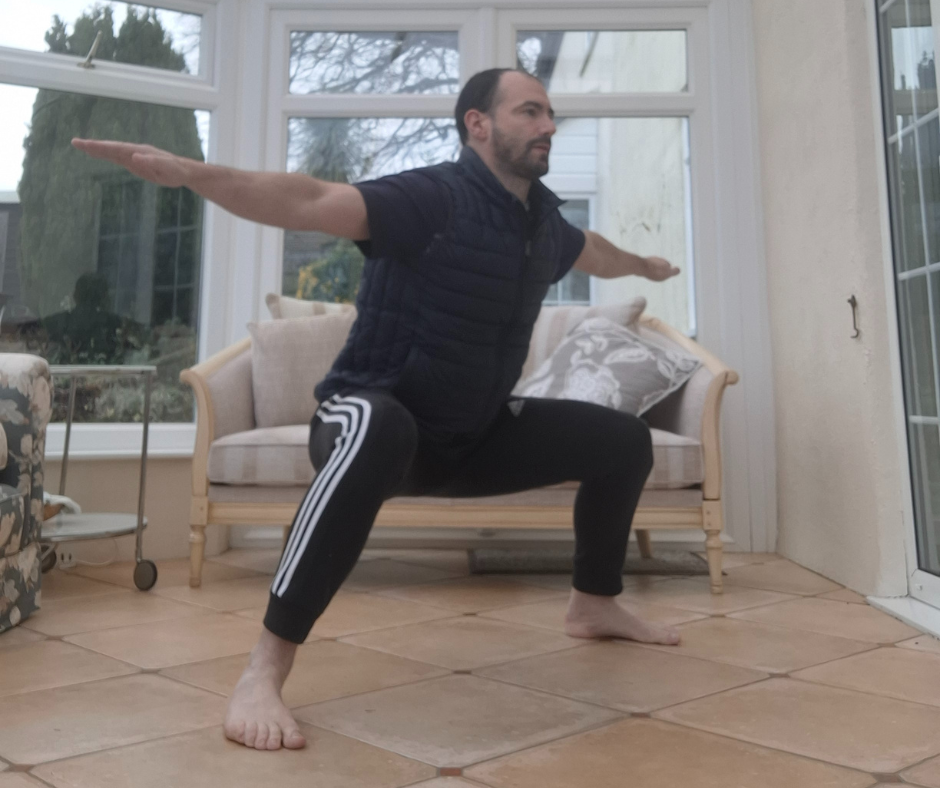
You stretch your hamstrings… but they tighten right back up.
You foam roll your quads… and they still feel locked an hour later.
You go to yoga, get some temporary relief — but by the next day, the tension is back.
Sound familiar?
If you’re someone who’s doing all the right things — stretching, moving, even strengthening — but your body still feels tight all the time, there’s a deeper reason.
And the good news? It has nothing to do with your flexibility.
🔁 Tightness Is a Signal, Not a Condition
Let’s get something straight: feeling “tight” is not just about short muscles.
It’s often a neurological response — a way your body tries to create stability when it doesn’t feel safe.
Here’s how it works:
Your brain senses instability in your body
It increases muscle tone (tightness) as a protective mechanism
That tightness isn’t a problem — it’s a solution to a deeper issue
And unless you solve that issue, no amount of stretching will fix it. You’ll just keep stretching a muscle that’s trying to protect you.
🔒 The Real Problem: Compensation and Survival Patterns
Most people are walking around in a state of compensation.
The diaphragm isn’t firing properly
The nervous system is stuck in a low-level stress response
Core muscles aren’t activating in the right sequence
Other muscles take over — and tighten to keep you stable
So what do we do? Stretch the tight area — when the problem is coming from somewhere else entirely.
Your hamstrings might be tight because your glutes are asleep.
Your traps might be screaming because your diaphragm isn’t online.
Your hip flexors might be overworking because your core can’t stabilise you.
💨 Why We Always Start With the Breath
In my work using the Be-Activated system, I’ve seen again and again that when you get the diaphragm firing properly, the body starts to feel looser, more open, and more connected immediately.
The diaphragm isn’t just a breathing muscle — it’s a stabiliser, a driver of core control, and a direct line to the nervous system. When it’s not working well, the body recruits tension from other places to feel safe.
Once we reset your breathing and get your nervous system out of survival mode, the tightness can let go — because it doesn’t need to be there anymore.
🔁 Stretching Isn’t Bad — It’s Just Not the Whole Story
If your body feels tight no matter how much you stretch, it’s not because you’re inflexible.
It’s because your body is compensating.
And until you reset the underlying activation patterns, stretching is just treating the smoke, not the fire.
✅ Want to Fix the Root Cause of Your Tightness?
I created an easy-to-follow online course that guides you through the same reset techniques I use in clinic.
🎯 It’s called The Pain Relief Programme: The Natural Solution to Pain — and it’s designed to help you:
Fire up your diaphragm and core system
Calm your nervous system
Reduce pain and tension
Move more freely, without always needing to stretch
This isn’t a workout or rehab plan. It’s a nervous system reset — and it’s one of the simplest, most effective tools you’ll ever use to feel better in your body.
If you’re ready to stop stretching the same tight spots over and over — and actually address what’s causing the tension — click below to get started: